
Root Canal Myths That May Be Keeping You From Treatment

Source: Dr. Marketing
You have been told that you need a root canal. Before booking the appointment, you decide to research the procedure. Within minutes, you find conflicting information. Some sources describe root canals as a way to save infected teeth, while others suggest they can trap harmful bacteria, weaken your immune system, or cause serious health problems.
Suddenly, a treatment intended to address your toothache raises another concern: Could a root canal actually be bad for your health?
These questions are understandable, especially when outdated information continues to circulate online.
Root canal treatment has been used for decades to address infected or severely inflamed
dental pulp. Understanding what the procedure involves and what scientific evidence tells us can help separate legitimate concerns from common misconceptions. At
Total Dental Care of South Carolina in Columbia, South Carolina, we help patients understand their dental treatment options and make informed decisions about preserving their natural teeth.
Where Did the Belief That Root Canals Are Unhealthy Come From?
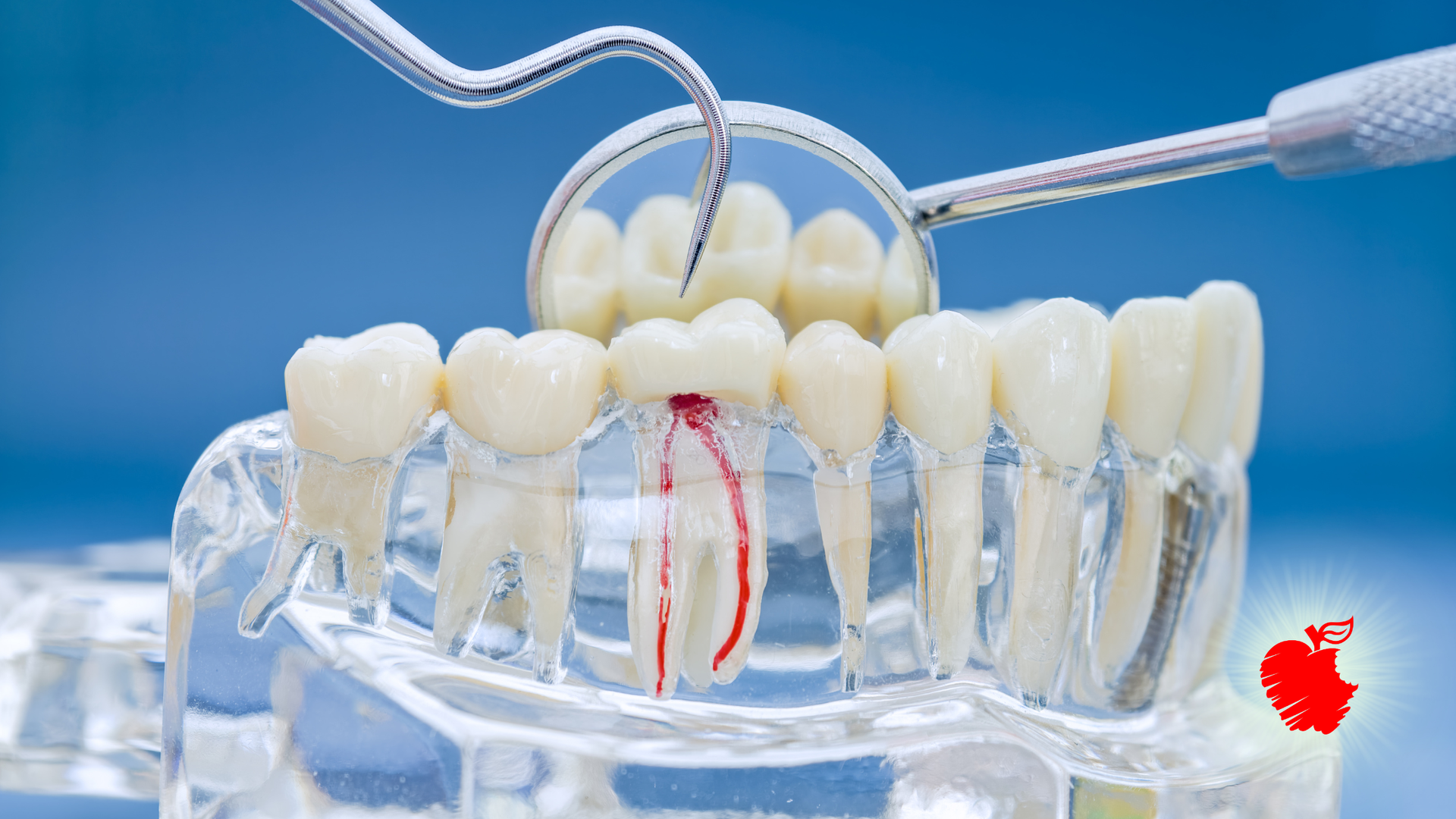
The idea that root canals cause serious health problems is not new.
Some concerns originated from an early twentieth-century theory called focal infection, which suggested that bacteria remaining in treated teeth could contribute to diseases elsewhere in the body. Although this theory influenced dental practices at the time, the research behind it had significant scientific limitations.
Modern research has not established that properly performed root canal treatment causes systemic illnesses such as cancer or
heart disease. The purpose of root canal therapy is to remove infected or irreversibly inflamed tissue from inside a tooth, reduce bacteria, and seal the root canal system to help prevent reinfection. In fact, leaving a dental infection untreated can create additional oral health problems and, in some cases, lead to complications beyond the affected tooth.
Does a Root Canal Trap Bacteria Inside Your Tooth?

One common misconception is that root canal treatment seals harmful bacteria inside a tooth, allowing them to spread throughout the body. To understand why this claim is misleading, consider what happens during the procedure.
Inside every natural tooth is dental pulp, which contains nerves, blood vessels, and connective tissue. Deep decay, cracks, or dental injuries can allow bacteria to reach this inner tissue, causing inflammation or infection. During root canal treatment, the affected pulp is removed. The root canals are then carefully cleaned, disinfected, filled, and sealed. Although no procedure can guarantee the elimination of every microorganism, modern root canal techniques are designed to substantially reduce bacteria and prevent reinfection.
A properly treated and restored tooth may continue functioning for many years.
However, like other dental treatments, root canal therapy can occasionally require follow-up care if infection persists or returns.
Is Extracting an Infected Tooth Safer Than Getting a Root Canal?
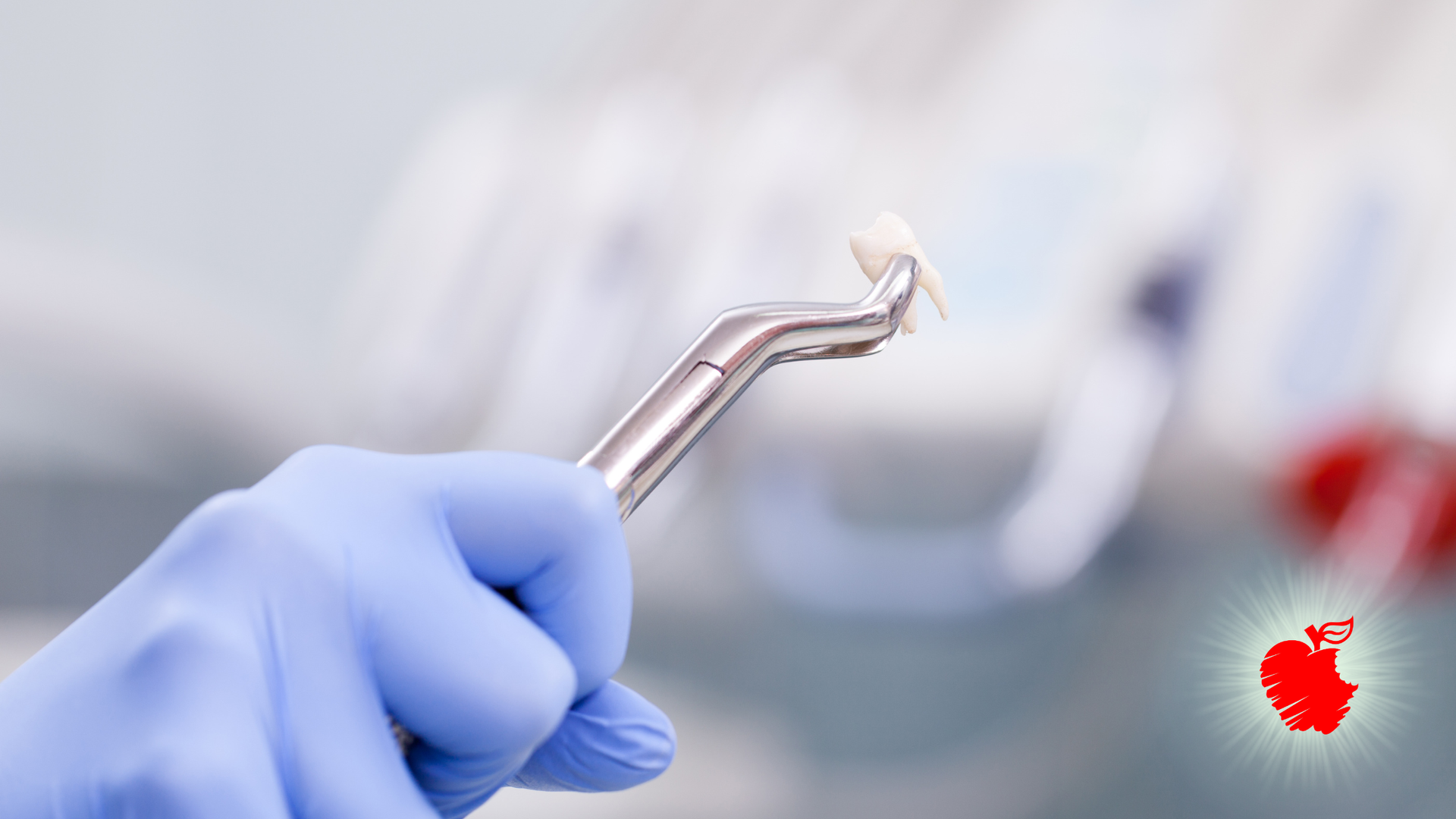
Some patients believe that removing an infected tooth is always healthier than keeping a root canal-treated tooth. However, extraction is not automatically the preferred option.
When a tooth has sufficient remaining structure and healthy supporting tissues, root canal treatment may allow it to be preserved. Keeping your natural tooth can help maintain chewing function and avoid the need for replacement options such as a dental implant, bridge, or denture.
Extraction may be recommended when a tooth has extensive damage, a severe fracture, or insufficient support to remain functional. Both procedures have benefits and limitations, and the appropriate choice depends on the condition of the tooth. At
Total Dental Care of South Carolina in Columbia, South Carolina, we encourage patients to understand their diagnosis and discuss available treatment options before making decisions about removing or preserving a natural tooth.
Can Root Canal Treatment Affect Your Immune System?
Another concern is whether a root canal places additional stress on the immune system. There is no reliable scientific evidence that properly performed root canal treatment inherently weakens immune function.
However, an untreated dental infection can trigger inflammation and may spread into surrounding tissues. In some cases, an infection can develop into a dental abscess, causing swelling, pain, and other complications.
Root canal therapy addresses the source of infection within the tooth while preserving the tooth when possible. It is important to recognize that treated teeth still require ongoing care. If bacteria re-enter the tooth through a damaged restoration or another pathway, reinfection may occur. Regular dental examinations help identify changes that may require additional treatment.
Are Root Canals Really as Painful as People Say?

Root canals have a reputation for being uncomfortable, but much of this fear comes from the pain associated with the underlying dental infection. Modern root canal treatment is generally performed using local anesthesia to numb the affected area.
Patients may feel pressure or other sensations during the procedure, but the goal is to keep discomfort manageable. Following treatment, mild tenderness or sensitivity when chewing may occur, particularly when the surrounding tissues were inflamed beforehand. These symptoms often improve within several days.
Persistent or worsening pain, swelling, or other unusual symptoms should be evaluated by our team. Rather than causing prolonged discomfort, root canal treatment is intended to address the underlying dental condition contributing to pain.
Can a Root Canal Cause Problems Years Later?
A root canal-treated tooth can occasionally develop complications months or years after the original procedure. For example, new decay, a cracked restoration, or leakage around a crown may allow bacteria to enter the tooth again.
In other cases, complex root canal anatomy or persistent infection may contribute to symptoms. Patients might notice discomfort when chewing, swelling, or tenderness around the affected tooth. However, some problems develop without obvious symptoms and are identified during routine dental examinations.
Depending on the condition of the tooth, retreatment or another procedure may be recommended. The possibility of future complications does not mean root canal treatment is inherently harmful. It highlights the importance of appropriate restoration and long-term dental maintenance.
What Should You Know Before Agreeing to Root Canal Treatment?
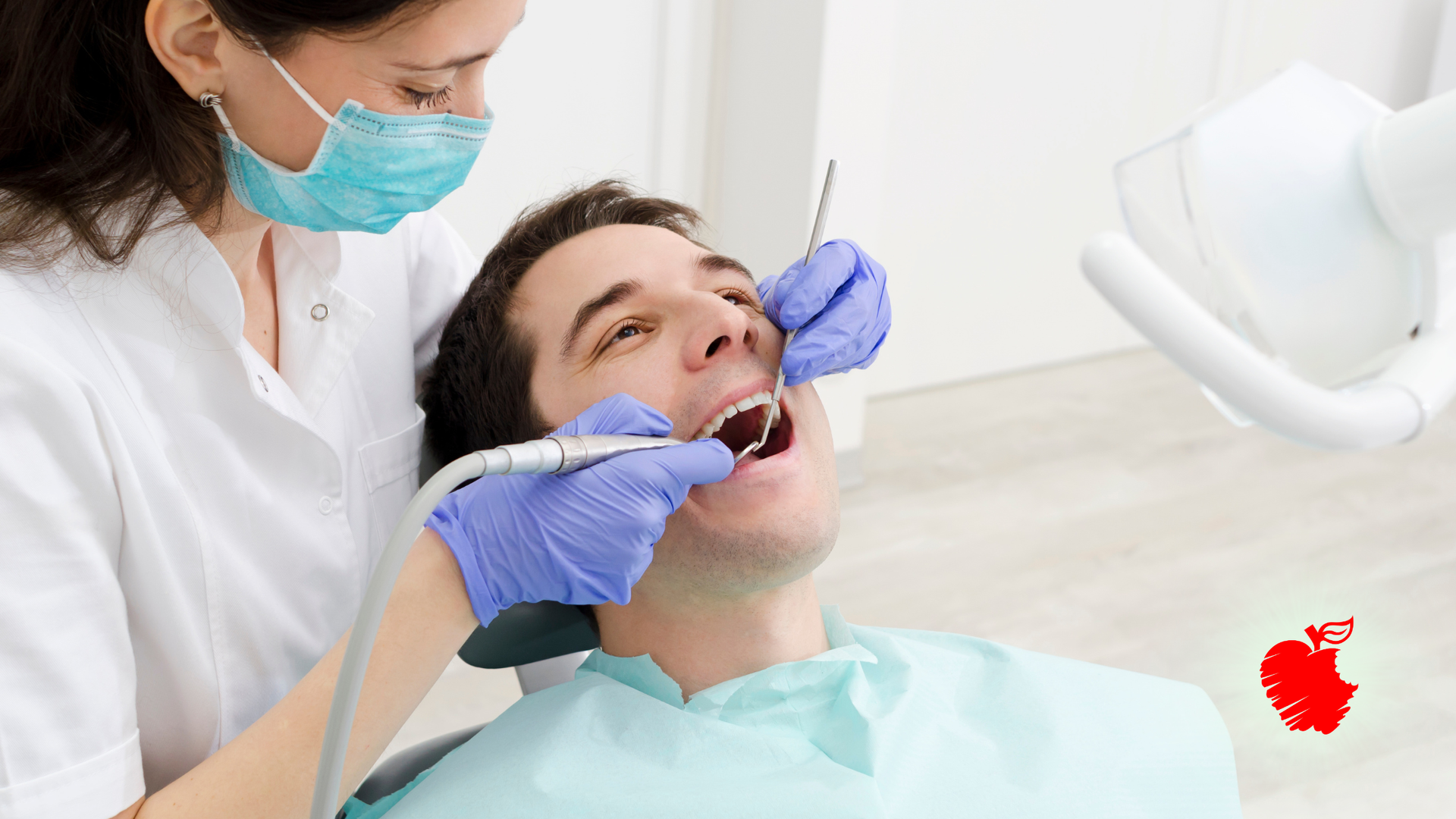
If our team recommends a root canal, understanding why the procedure is necessary can help you feel more prepared. A thorough examination may involve evaluating your symptoms, checking the affected tooth, performing pulp tests, and reviewing dental X-rays. Consider discussing the following questions during your appointment:
• What is causing the inflammation or infection?
• Can the affected tooth be successfully restored?
• What could happen if treatment is delayed?
• Will I need a
dental crown after the root canal?
• Are there alternative treatments worth considering?
These conversations help ensure that treatment decisions reflect your individual oral health rather than general information found online.
Make Informed Decisions About Your Dental Health

Root canal treatment has been surrounded by misconceptions for generations, particularly claims that it can cause serious illnesses or negatively affect the immune system. Current scientific evidence does not support these claims.
When appropriately recommended and performed, root canal therapy is an established treatment that can address infected or irreversibly inflamed dental pulp while helping preserve natural teeth. At
Total Dental Care of South Carolina in Columbia, South Carolina, we help patients understand their dental concerns and explore suitable treatment options.
If you are experiencing persistent tooth pain, lingering sensitivity, or have questions about root canal safety, schedule a dental consultation with our team. We can examine the affected tooth, explain the recommended treatment, and help you make an informed decision about your oral health.