
What Does It Really Feel Like to Live With a Dental Implant?

Source:
Dr. Marketing
When people research dental implants, they usually find plenty of information about surgery, healing time, materials, and success rates. What is discussed far less often is what happens afterward.
What does a dental implant actually feel like when you wake up in the morning, eat dinner, speak, brush your teeth, or simply go through the day? Do you always know there is something artificial in your mouth? Does biting feel different? Does the implant eventually feel as though it belongs there?
These are important questions because replacing a missing tooth is not only about how a restoration looks. It is about how comfortably it becomes part of everyday life. At Total Dental Care of South Carolina in Columbia, South Carolina, we help patients understand the practical side of dental implant treatment, including what changes, what feels familiar, and what patients should realistically expect once healing is complete.
At First, You Will Probably Notice Everything

There is an important distinction between recovering from dental implant surgery and living with a fully healed implant.
During the early healing period, the area naturally receives more attention. You may be conscious of tenderness, swelling, dietary restrictions, or the need to protect the surgical site. This temporary phase is often what prospective patients imagine when they wonder what an implant feels like.
But it is not an accurate picture of long-term life with an implant.
As healing progresses, the implant integrates with the surrounding jawbone through a process known as osseointegration. Once the area is stable and the final restoration is placed, the experience becomes much less about having undergone dental treatment and much more about adapting to a replacement tooth. Initially, your tongue may repeatedly find the new crown. Your bite may feel unusually noticeable simply because something has changed. If the space was empty for a long time, having a tooth there again can feel unfamiliar.
Then something interesting happens: you gradually stop paying attention to it.
The Goal Is Not to Make an Implant Feel Like an Implant
A successful restoration should not continually remind you that it exists. A dental implant is anchored in the jaw rather than resting on the gums. This stability is one of the reasons everyday function can feel remarkably familiar once the implant has healed.
There is, however, a biological difference between an implant and a natural tooth.
Natural teeth are surrounded by a periodontal ligament containing nerve fibres that provide detailed sensory information about pressure and movement. Dental implants do not have this ligament. Instead, they integrate directly with the bone. This means an implant does not perceive biting forces in precisely the same way as a natural tooth. Your jaw, gums, muscles, neighbouring teeth, and other tissues still provide sensory feedback, so you remain aware of pressure while eating.
In daily life, that scientific distinction is often far less dramatic than it sounds.
You do not typically spend lunch thinking about which tooth has a periodontal ligament and which does not. Once you adapt, the replacement tooth simply participates in chewing alongside the rest of your smile.
Eating Is Often Where the Difference Matters Most

Tooth loss can subtly change eating habits long before a person realizes it. You may begin chewing predominantly on the opposite side. Certain foods become inconvenient. You might cut food differently, avoid particular textures, or instinctively protect the empty area.
Replacing the missing tooth can change those habits again.
Once our team confirms that the implant is fully healed and ready for normal function, chewing can become more balanced. Instead of navigating around a gap, the restored area can participate in breaking down food. That does not mean an implant should be treated as indestructible. Artificial crowns can chip or wear, and excessive biting forces can affect implant components. Chewing ice, cracking hard objects with the teeth, or using teeth as tools remains a bad idea whether you have implants or entirely natural teeth.
The larger change is often psychological. Over time, eating becomes less calculated. You stop planning every bite around the missing space.
That is when the implant begins to feel less like dental work and more like part of everyday function.
There Is an Adjustment You Rarely Hear About
Your tongue has an extraordinary awareness of your mouth. When a tooth has been missing for months or years, your tongue becomes accustomed to that empty space. Once an implant crown fills it, the new contour can initially feel surprisingly prominent.
You may run your tongue over it repeatedly without realizing it. Certain sounds may feel slightly different. The contact between neighbouring teeth may seem unusually noticeable.
This does not necessarily mean anything is wrong.
The brain continually updates its understanding of the body and its surroundings. As the new tooth becomes familiar, your awareness of it usually decreases. A properly designed implant restoration should also complement the surrounding teeth in size, shape, and bite. If something consistently feels too bulky, too high, difficult to clean, or uncomfortable when biting, however, it should be assessed rather than dismissed as an adjustment issue.
What Becomes “Normal” After a Dental Implant?
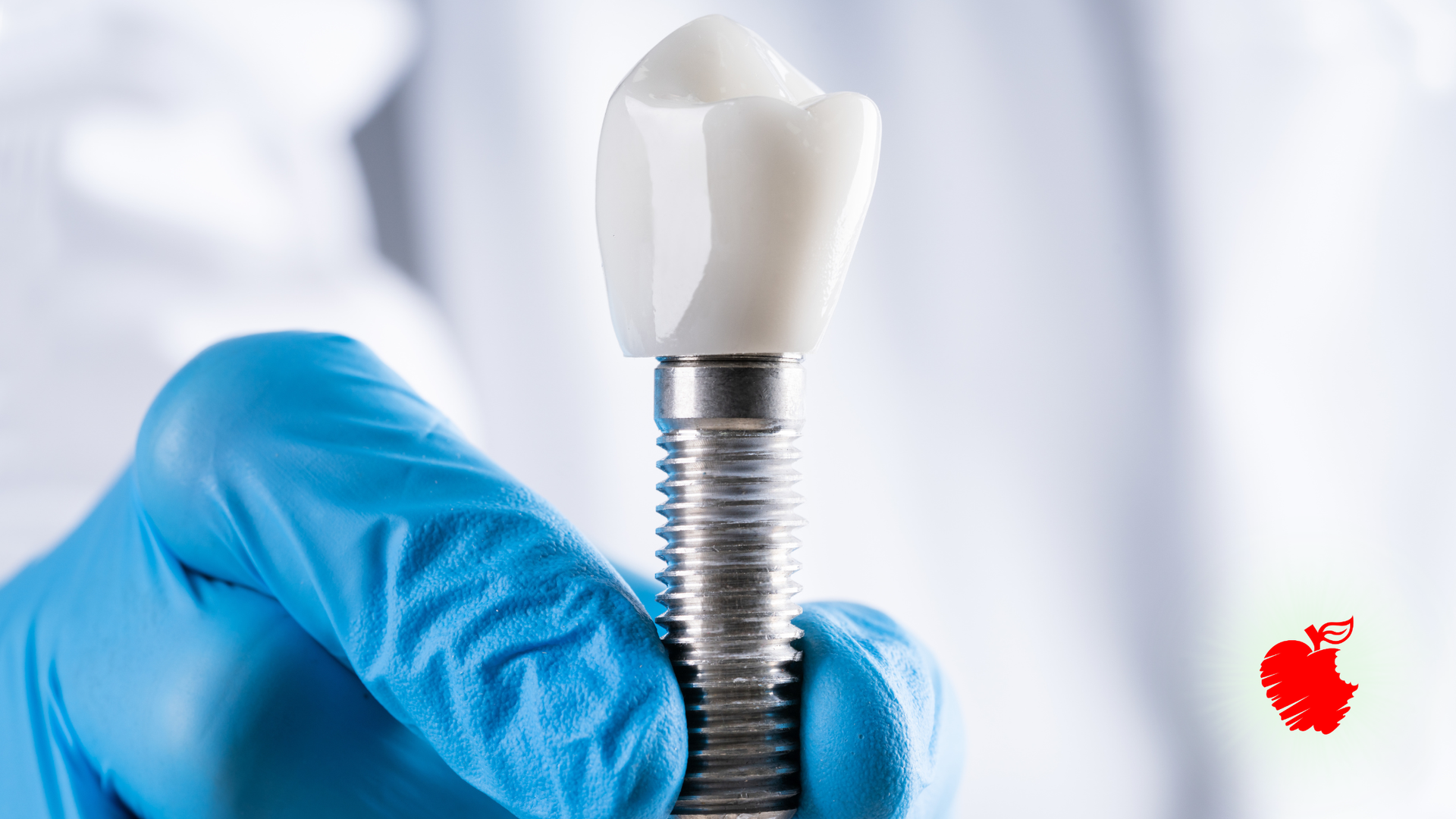
Eventually, the most meaningful changes are often the things you stop doing.
You stop noticing the space when you smile.
You stop automatically moving food to the other side of your mouth.
You stop feeling the gap with your tongue.
You stop thinking about the missing tooth every time you look at a photograph.
This gradual return to normality is difficult to measure clinically, but it matters enormously to the experience of living with an implant. For a visible missing tooth, appearance may be the most noticeable improvement. For a back tooth, restored chewing function may matter more. Every patient's experience is different because the location of the implant, condition of neighbouring teeth, bite, and length of time the tooth was missing all influence adaptation.
The Part That Never Becomes Optional: Maintenance
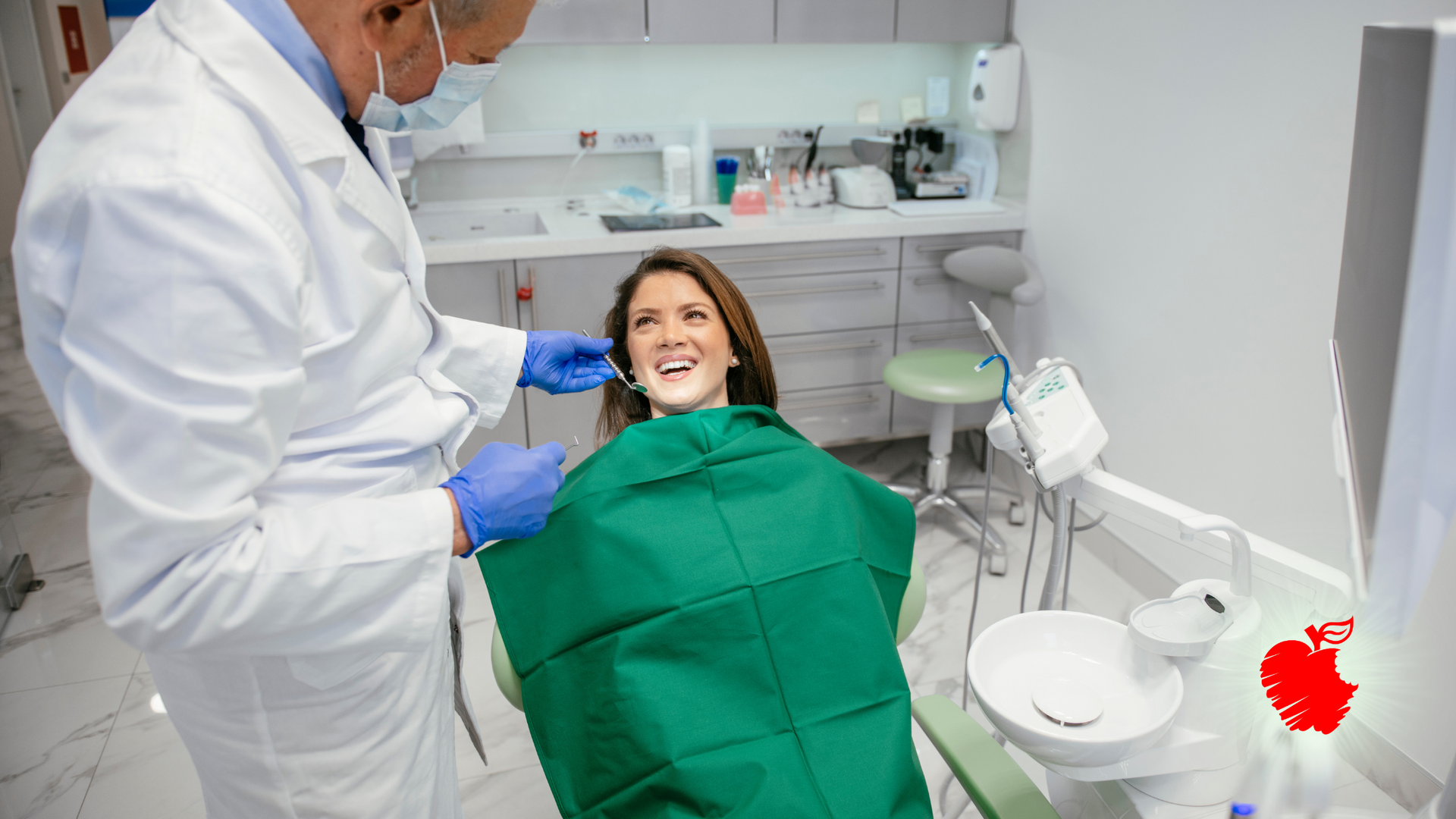
An implant becoming familiar should never mean forgetting about its care. The implant and crown cannot develop a cavity in the way a natural tooth can, but the gums and bone surrounding the implant remain biologically active tissues. Plaque accumulation around an implant can cause inflammation and potentially affect its supporting structures.
Daily cleaning therefore remains essential.
For a single implant, brushing and interdental cleaning may feel very similar to caring for natural teeth. Our team may recommend floss, interdental brushes, or other tools depending on the shape and position of the restoration. Professional maintenance is equally important. At Total Dental Care of South Carolina in Columbia, South Carolina, implant examinations involve more than checking whether the crown still looks good. The surrounding gums, supporting tissues, bite, neighbouring teeth, and restoration all need ongoing monitoring.
Think of the implant as something designed to become ordinary in daily life but never invisible to preventive dental care.
Know the Difference Between “Different” and “Something Is Wrong”
A new implant restoration may initially feel unfamiliar. A long-healed implant suddenly becoming uncomfortable is different. Once an implant has been functioning comfortably, certain changes deserve attention. Movement, clicking, persistent tenderness, swelling, bleeding around the implant, difficulty chewing, or a noticeable change in the bite should be professionally evaluated.
Food repeatedly becoming trapped around the same area is also worth mentioning. Sometimes the issue involves cleaning technique, while in other cases the shape, contact, or surrounding tissues need to be assessed.
Most importantly, an implant itself should not feel loose. Because the restoration consists of multiple components, perceived movement does not automatically mean the implant has lost integration, but it does require an examination. Trying to diagnose or tighten anything at home can make the situation more complicated.
Years Later, What Should an Implant Feel Like?

For many people, the ideal answer is surprisingly uneventful. It should feel familiar.
You should be able to move through conversations, meals, photographs, oral hygiene, and daily routines without repeatedly thinking about the tooth that was once missing.
A dental implant will never be biologically identical to a natural tooth. Understanding that distinction is important. But successful tooth replacement is not necessarily about reproducing every microscopic sensation of a natural tooth. It is about restoring stability, function, appearance, and comfort in a way that integrates naturally into everyday life. That is why the experience of living with an implant is often less dramatic than the process of getting one.
Eventually, You May Stop Thinking About the Missing Tooth

Before treatment, attention tends to centre on the implant itself: the surgery, the healing, the restoration, and how different everything might feel.
After successful healing, the focus often shifts in the opposite direction.
The implant becomes less noticeable, while the benefits of having the missing space restored become part of the routine.
If you are considering a dental implant, the most useful question may not simply be, “Will it feel exactly like a natural tooth?” A better question is whether it can restore the function and stability you have been missing while becoming comfortable enough that you no longer think about it throughout the day.
At Total Dental Care of South Carolina, we provide dental implant consultations in Columbia, South Carolina, for patients exploring tooth replacement. A comprehensive assessment can determine whether you are a candidate and help you understand not only what treatment involves, but what everyday life with a dental implant may actually feel like.